Se Habla Español
Call Today for a Free Consultation
203-348-5846
1100 Summer Street, Stamford, CT 06905


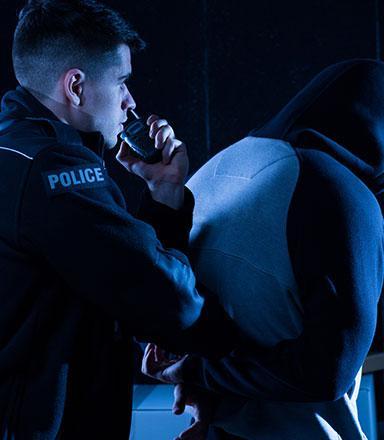


CT Juvenile Interrogations: What Parents Must Know
 Connecticut parents could be shocked to find their child was questioned by the police without a parent present. More unpleasant surprises could be in store when they find that statements made by their child are being used as evidence against him or her. While Connecticut has strict notification requirements, these rules do not always prevent teens from speaking with officers without a parent present. And since teens are vulnerable to pressure by police, these statements could turn out to be involuntary, unreliable, or legally inadmissible.
In fact, teenagers are much more likely than adults to give false or unreliable statements, and in Connecticut’s fast-moving juvenile system, this can turn routine questioning into a constitutional minefield when parents are not present. Parents must understand when a police interview crosses constitutional lines so they can properly protect their child’s future. A Fairfield County, CT juvenile crimes lawyer can help protect your child’s rights and guide you through the process.
Do Connecticut Police Have to Notify a Teen’s Parents?
In Connecticut, a teen’s parents must be notified as soon as practicable. Further, notification does not require the parent’s actual presence. This leaves a gray area in which a minor may speak with police voluntarily. This could occur because of the cognitive and developmental vulnerabilities of teens, pressure from the police, or because the teen "just wants to go home." There are also exceptions regarding notifying parents in the case of an emergency or ongoing threat. Police may also claim that the teen was not actually "in custody."
When is a Teenager’s Statement Voluntary?
Courts will look at the totality of the circumstances when determining whether a statement made by a teen was voluntary. The court will take into consideration the child’s age, maturity, comprehension, and the absence of parental guidance, as well as whether Miranda warnings were required and provided. Police are not allowed to make threats or promise unrealistic things in return for information when speaking to a teenager, and the court will consider the impact of fear, isolation, and fatigue when making a determination about whether a statement was voluntary.
Why Might a Teenager Give Unreliable or Involuntary Statements?
Even though a teenager is not a child, neither are they an adult. Many teens have a desire to appease an authority figure like a police officer and may not understand that they are free to leave. A teen who is exhausted from questioning may simply tell the police what they want to hear so he or she can go home. If the police make misleading promises about leniency, the teen could wrongly implicate another teen. In certain recent Connecticut juvenile cases, a teenager’s statement was thrown out due to a lack of parental notification or suppressed when the juvenile misunderstood his or her Miranda rights.
What Should Parents Do if Their Teenager Has Been Questioned?
Neither parents nor the teen should speak to police officers without counsel, and parents should stop any repeat interviews until they have spoken to an attorney. If there is school, SRO, or security footage of the interaction, steps should be taken to preserve it. Texts, emails, or school records that show when the parents were notified can be invaluable evidence. Speaking to a knowledgeable juvenile crimes attorney in the area is the best step that can be taken for the teen. A defense attorney may be able to suppress any statements made by the teen under the Fifth and/or Fourteenth Amendments.
The attorney can argue that the statements were involuntary due to age and lack of parental presence. If no Miranda warnings were given, then the entire interview can be challenged. Expert testimony may be used to describe adolescent brain development and how it is different from that of an adult. If there were inconsistencies or suggestive questioning, the attorney can highlight these issues.
Contact a Stamford, CT Juvenile Crimes Attorney
If your teen was questioned by the Connecticut police without you present or if you are unsure whether his or her rights were violated, consult a Fairfield County, CT criminal defense lawyer from Law Offices of Daniel P. Weiner as quickly as possible. Early intervention is crucial to suppressing statements and determining whether a juvenile case moves forward at all. Call 203-348-5846 to schedule your free consultation.
The Law Offices of Daniel P. Weiner in Stamford, Connecticut serves clients in Greenwich, Norwalk, New Canaan, Darien, Westport, Bridgeport, Fairfield, Danbury, Wilton and clients throughout Fairfield County and across Connecticut (CT).
©2026 Law Offices of Daniel P. Weiner | 1100 Summer Street, Stamford, CT 06905 | 203-348-5846
Call for Free Initial Consultation
203-348-5846