Se Habla Español
Call Today for a Free Consultation
203-348-5846
1100 Summer Street, Stamford, CT 06905
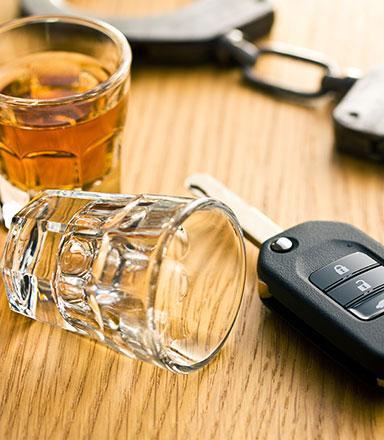




Was Your DUI Arrest Caused by a Medical Condition?
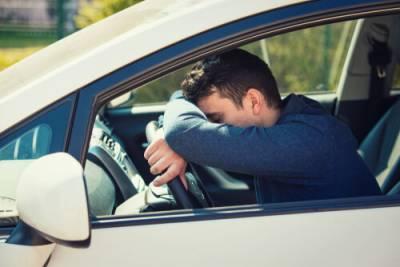 Certain medical conditions can cause symptoms that mimic intoxication. This can lead to a wrongful DUI arrest even when you haven't had any alcohol or drugs. Conditions like diabetes, epilepsy, and certain neurological disorders can affect speech, balance, and behavior. Police officers sometimes mistake these effects for impairment.
If you believe a medical condition led to your DUI arrest in 2026, our Stamford, CT criminal defense lawyer can help you gather the right evidence to challenge the charge.
What Medical Conditions Can Mimic Signs of Intoxication?
Several health conditions can cause symptoms that look a lot like drunk driving to an untrained eye. Diabetes is one of the most common examples. Low blood sugar can cause slurred speech, confusion, and poor coordination. These symptoms closely resemble the signs officers are trained to look for during a DUI stop.
Other conditions can cause similar symptoms too. Epilepsy can produce brief episodes of confusion or unusual behavior. Certain inner ear disorders affect balance and coordination. Even severe fatigue or certain neurological conditions can create symptoms that an officer might mistake for impairment.
Why Do Police Sometimes Get This Wrong?
Officers are trained to look for common signs of intoxication. This includes slurred speech, unsteady balance, and confusion. This training doesn't always include recognizing that these same symptoms can come from a medical emergency instead. An officer may focus entirely on impairment as the explanation without the right training. They might not consider a medical cause.
How Does Connecticut Law Define DUI?
Under Connecticut General Statutes Section 14-227a, a person commits DUI if they operate a motor vehicle while under the influence of alcohol or drugs. A person can also violate the law by operating with an elevated blood alcohol content, including a BAC of 0.08 percent or higher for most drivers.
If the state is alleging that your driving was impaired by alcohol or drugs, evidence that your symptoms were actually caused by a medical condition can be important to the defense. However, a medical explanation for apparent impairment does not by itself defeat a charge based on an elevated blood alcohol content.
What Evidence Can Show Your DUI Arrest Was Medical, Not Alcohol Related?
Building a strong defense based on a medical condition requires specific types of evidence to support your case. Helpful evidence often includes:
- Medical records documenting your diagnosed condition
- Statements from your doctor explaining how the condition can mimic intoxication
- Blood test results showing low or no alcohol in your system at the time of arrest
- Witness statements describing your behavior before the incident
- A history of similar episodes documented in your medical records
Using our experience, we’ll work with you to gather any evidence relevant to your case.
Blood Test Results Can Work in Your Favor
Police may have requested a blood test at the time of your arrest. If the state alleges alcohol impairment, results showing little or no alcohol in your system may support a defense based on a medical explanation for your symptoms. However, a low blood alcohol level does not by itself rule out a DUI allegation based on drugs.
When combined with medical documentation showing that a condition, such as diabetes or epilepsy, could explain the symptoms observed by police, test results may help challenge the state's explanation for what happened.
Can Diabetes Really Cause a False DUI Arrest?
Blood sugar can drop too low, a condition called hypoglycemia. This can cause symptoms that may resemble alcohol impairment, including confusion, difficulty speaking clearly, and problems with coordination. Diabetes can also cause other medical emergencies that may be mistaken for intoxication. For example, diabetic ketoacidosis can cause fruity-smelling breath (often mistaken for alcohol breath) because of elevated ketone levels.
Can Certain Medications Cause Similar Confusion to Intoxication?
Some prescription medications can cause side effects like drowsiness, dizziness, or slowed reaction time. This is true even when taken exactly as directed by a doctor. Under Connecticut General Statutes Section 14-227a, impairment from prescription medication can still lead to a DUI charge. This is different, though, from a situation where an underlying medical condition itself caused the observed symptoms rather than any substance at all.
Understanding this distinction matters. It affects what evidence and defense strategy will be most effective in your specific case. Speaking with a defense attorney early in the process gives you the best chance to present your medical evidence effectively before your case moves further along.
Contact Our Fairfield County DUI Defense Attorney for a Free Consultation
Attorney Daniel Weiner has 40 years of legal experience helping clients throughout Connecticut challenge DUI charges, including cases involving underlying medical conditions. He understands how frightening it can feel to face criminal charges for something outside of your control. He works closely with clients to build a defense that tells the full story of what actually happened.
Contact The Law Offices of Daniel P. Weiner at 203-348-5846 to speak with our Stamford, CT criminal defense lawyer today.
The Law Offices of Daniel P. Weiner in Stamford, Connecticut serves clients in Greenwich, Norwalk, New Canaan, Darien, Westport, Bridgeport, Fairfield, Danbury, Wilton and clients throughout Fairfield County and across Connecticut (CT).
©2026 Law Offices of Daniel P. Weiner | 1100 Summer Street, Stamford, CT 06905 | 203-348-5846
Call for Free Initial Consultation
203-348-5846