Se Habla Español
Call Today for a Free Consultation
203-348-5846
1100 Summer Street, Stamford, CT 06905




What Should Parents Expect During a Juvenile Court Case?
 The juvenile court process is unfamiliar to most families, and not knowing what to expect can make everything feel even more overwhelming. The good news is that the juvenile court system in Connecticut is designed with rehabilitation in mind, not punishment. There are real opportunities to help your child move forward with their life. A Fairfield County, CT juvenile defense lawyer can guide you and your child through every step of the process in 2026 and make sure your family's rights are protected along the way.
How Is Juvenile Court Different From Adult Criminal Court in Connecticut?
Juvenile court operates very differently from adult criminal court. The focus in juvenile court is on helping young people learn from their mistakes and get back on track, rather than simply punishing them. Proceedings are generally closed to the public, which means the details of your child's case are not open for anyone to see. Records from juvenile cases are often sealed or can be erased under certain circumstances, which gives young people a real chance to move on without carrying a conviction into adulthood.
In Connecticut, the juvenile court system handles cases involving individuals under the age of 18. Under Connecticut General Statutes § 46b-120, a delinquent child is defined as someone under 18 who has committed an act that would be a crime if committed by an adult. The court has a range of options available to it, from informal agreements all the way to secure detention, depending on the seriousness of the offense and the circumstances of the child.
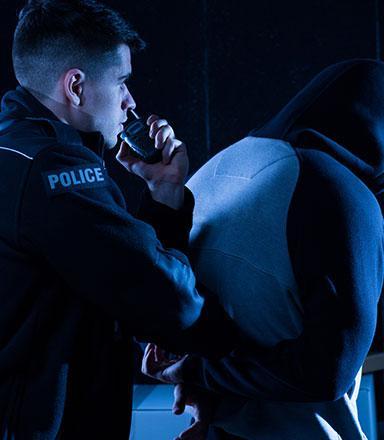
What Happens Right After a Juvenile Is Arrested in Connecticut?
When a young person is arrested in Connecticut, what happens next depends on the seriousness of the alleged offense and the child's prior record. In many cases, especially for first-time or minor offenses, the child may be released to their parents or guardians shortly after being taken into custody. In more serious cases, the child may be held at a juvenile detention facility until a hearing can be scheduled.
Within a short period after the arrest, a prosecutor will review the case and decide how to proceed. Options include referring the case to a diversion program, filing a delinquency petition, or, in serious cases, seeking to have the child tried as an adult. The decision made at this stage can significantly affect your child's future, which is why having legal help from the very beginning matters so much.
What Is a Diversion Program in CT and Is It Available for Your Child?
Diversion programs offer an alternative to formal court proceedings for some juvenile offenders. Instead of going through the full court process, the young person agrees to complete certain requirements. These may include community service, counseling, or a restorative justice program. If they complete the requirements, the case may be closed without a formal finding of delinquency.
These programs are particularly valuable because they give young people a chance to address their behavior without the stigma of a delinquency adjudication on their record. Not every child qualifies for diversion. Eligibility depends on the nature of the offense and the child's history. An attorney can advocate for your child's participation in a diversion program when it is an option.
What Happens at a Juvenile Court Hearing in CT?
If the case is not diverted, it will proceed to a formal hearing in juvenile court. This is different from an adult criminal trial. There is no jury in juvenile court. A judge hears the evidence and makes the decision. The standard of proof is the same as in adult court, which means the state has to prove the charges beyond a reasonable doubt.
Your child has the right to have an attorney at every stage of the proceedings. They have the right to remain silent and not to incriminate themselves. They have the right to challenge the evidence the state presents. These rights are just as real and just as important in juvenile court as they are in adult court, and they should be exercised with the help of an experienced defense attorney.
Can a Juvenile Record Be Erased in Connecticut?
In Connecticut, juvenile records are not automatically available to the public, and in many cases, they can be erased. Under Connecticut law, a person whose juvenile record has been erased can legally say they have never been arrested or convicted of a crime in most circumstances.
Erasure is generally available when the person has reached a certain age, has not been convicted of a subsequent offense, and meets other eligibility requirements. An attorney can help your family understand whether erasure is available and how to pursue it at the right time.
What Should a Parent Do Immediately After Their Child Has Been Arrested?
The most important thing you can do right now is get legal help before your child makes any statements. Anything your child says to police, and in some cases school officials, could later affect the case, and young people are often particularly vulnerable to saying things that hurt their case without realizing it.
Be there for your child emotionally. Let them know that you love them and that you are going to help them through this. And make sure they have an attorney who will fight for them every step of the way.
Schedule a Free Consultation With Our Stamford, CT Juvenile Defense Lawyer
You and your child deserve someone who understands what is at stake and who will fight for the best possible outcome. Attorney Weiner brings 40 years of legal experience to cases like yours and understands that behind every juvenile case is a young person with a future worth protecting. To learn more, call the Law Offices of Daniel P. Weiner at 203-348-5846 to schedule a free consultation with our Fairfield County, CT juvenile defense attorney today.
The Law Offices of Daniel P. Weiner in Stamford, Connecticut serves clients in Greenwich, Norwalk, New Canaan, Darien, Westport, Bridgeport, Fairfield, Danbury, Wilton and clients throughout Fairfield County and across Connecticut (CT).
©2026 Law Offices of Daniel P. Weiner | 1100 Summer Street, Stamford, CT 06905 | 203-348-5846
Call for Free Initial Consultation
203-348-5846